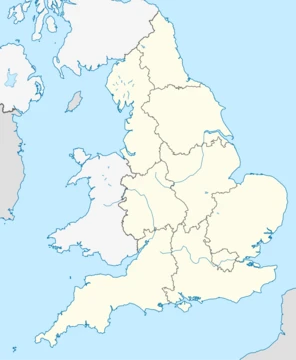
Merseyside
Metropolitan county in North West England, created in 1974.

Merseyside is a ceremonial and metropolitan county in North West England, established in 1974. The largest settlement is the city of Liverpool, and the county is notable for its role in the Industrial Revolution, its cultural institutions, and its sporting heritage.
- Established
- 1974
- Largest settlement
- Liverpool
- Location
- North West England
- Notable for
- Merseybeat music, football clubs, The Open Championship, Grand National
Lore & Background
Merseyside was created in 1974 under the Local Government Act 1972 from areas previously in Lancashire and Cheshire, including the county boroughs of Birkenhead, Bootle, Liverpool, St Helens, Southport and Wallasey. The county was established after a series of reviews and proposals, including the Redcliffe-Maud Report, which proposed a much wider metropolitan area. The Merseyside Passenger Transport Executive (Merseytravel) was set up in 1970, covering Liverpool, Sefton, Wirral and Knowsley, and later expanded to include St Helens and Southport. The Liverpool City Region Combined Authority now oversees functions such as transport, housing, and innovation, led by the Mayor of the Liverpool City Region. Merseyside is divided by the Mersey estuary, with the Wirral on the west and the rest on the east, linked by tunnels, the Merseyrail Wirral line, and the Mersey Ferry.
Reader's Guide
Merseyside's significance lies in its historical transformation from a largely rural area to a highly urbanised industrial centre during the Industrial Revolution. Liverpool's position on the Mersey Estuary enabled it to become a major port, heavily involved in the Atlantic slave trade and supplying cotton to Lancashire mills, while Birkenhead developed into a centre for shipbuilding. Innovations from this period include the first inter-city railway, the first publicly-funded civic park, advances in dock technology, and a pioneering elevated electrical railway. The county is notable for its cultural and sporting contributions. The Merseybeat genre developed here, producing artists including the Beatles. It contains several football clubs, with Everton and Liverpool playing in the Premier League. The Royal Liverpool and Royal Birkdale golf clubs have hosted The Open Championship 22 times, and the Grand National is the most valuable jump race in Europe. National Museums Liverpool comprises nine museums and art galleries. The county's green belt, interspersed throughout, was first drawn up from the 1950s. Ipsos MORI polls in the 2000s showed that residents of Sefton and Wirral identified slightly more strongly with Merseyside than with Lancashire or Cheshire.
Did You Know?
- Merseyside was established as a metropolitan county on 1 April 1974 under the Local Government Act 1972.
- The county contains five metropolitan boroughs: Knowsley, St Helens, Sefton, Wirral, and Liverpool.
- The Merseybeat genre developed in what is now Merseyside, producing artists including the Beatles.
Frequently Asked Questions
What is Merseyside's largest settlement?
The city of Liverpool is the county's biggest urban centre and its cultural and economic anchor. It gives the region much of its identity and global recognition.
What is Merseyside most famous for?
The area is celebrated for its Merseybeat music legacy, its prominent football clubs, and its ties to major sporting events such as The Open Championship and the Grand National. It also played a pivotal role in Britain's Industrial Revolution.
How was Merseyside created?
The county came into existence in 1974 through England's local government reorganisation, which carved out metropolitan counties to better manage rapidly growing urban populations. Merseyside was established as one of these new metropolitan entities.
More in Regions Of England 1-18
Spotted an error? Know more?
This is a living reference — every entry is fact-audited, and reader corrections feed straight into our audit queue. Suggest an edit · See this site's audit record